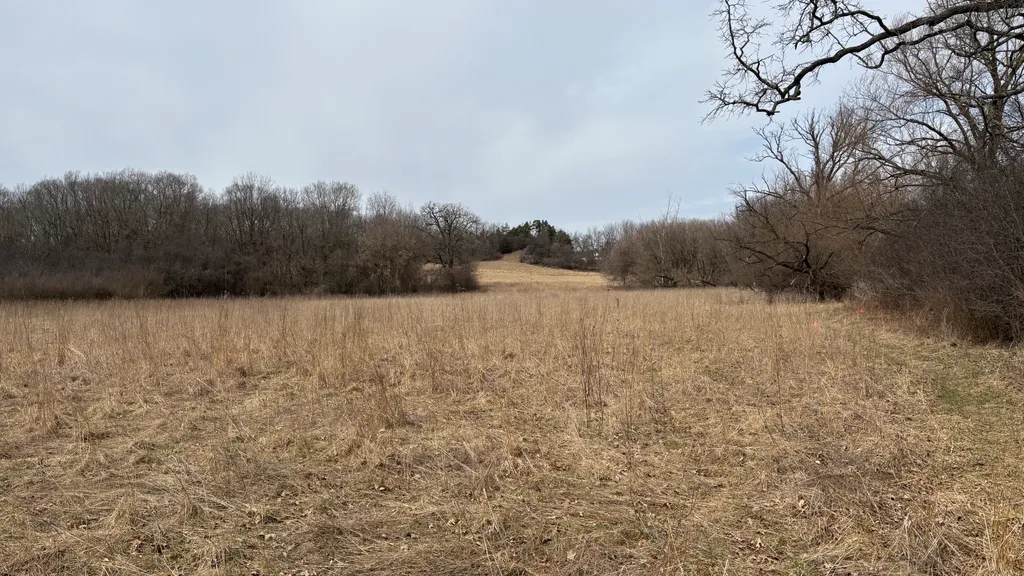
It’s 1°C outside. Thin ice has formed where water pooled.
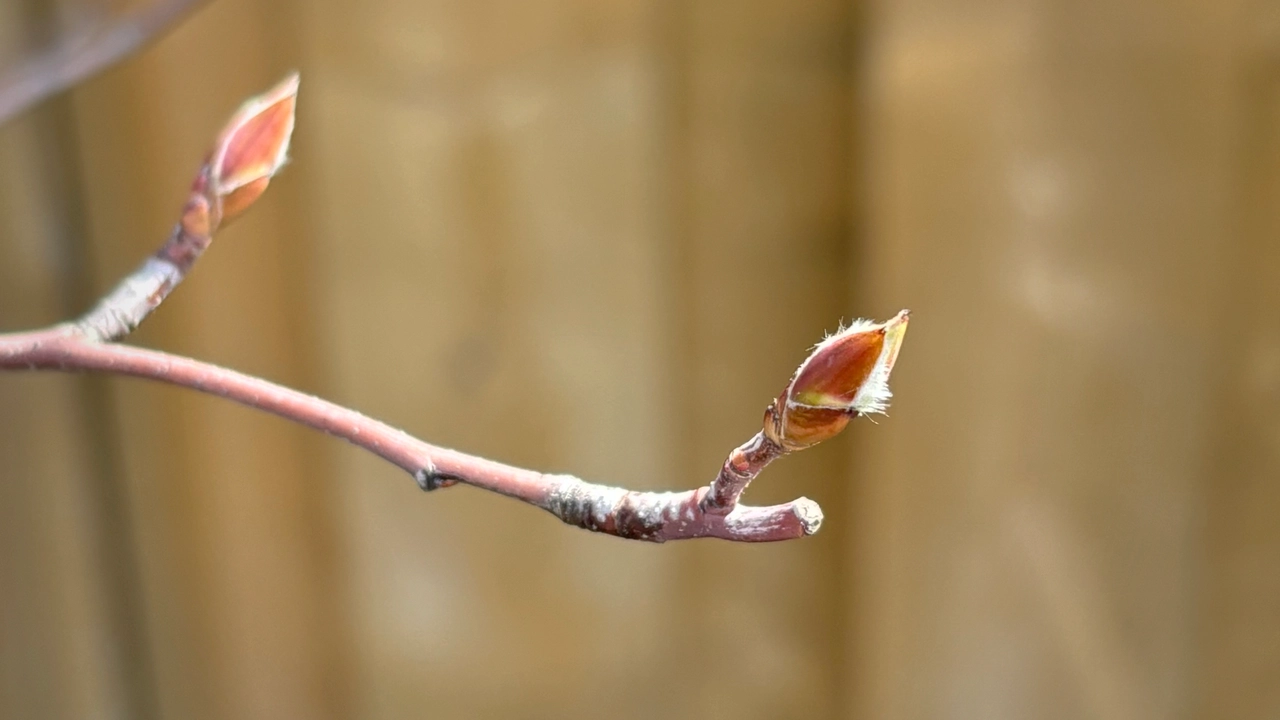
I stand beside the serviceberry (Amelanchier) and check its buds as steam from my coffee mug rises through its branches like a ghost. The buds haven’t opened yet. The leaves are not ready. It’s a good time to move it.
I set my coffee down and begin to dig.
I feel bad for the worms and insects I’ve surfaced into the cool air, though the robins seem pleased — waiting close, watching, tilting their heads, ready for an easy meal.
I lower the tree into its new home and cover the roots with loamy soil mixed with sand. Beneath it, the remains of an old pine have softened into the ground, leaving behind sawdust, rot, richness, and mycelium — food for the stag beetles that live there.
This serviceberry will be beautiful here.
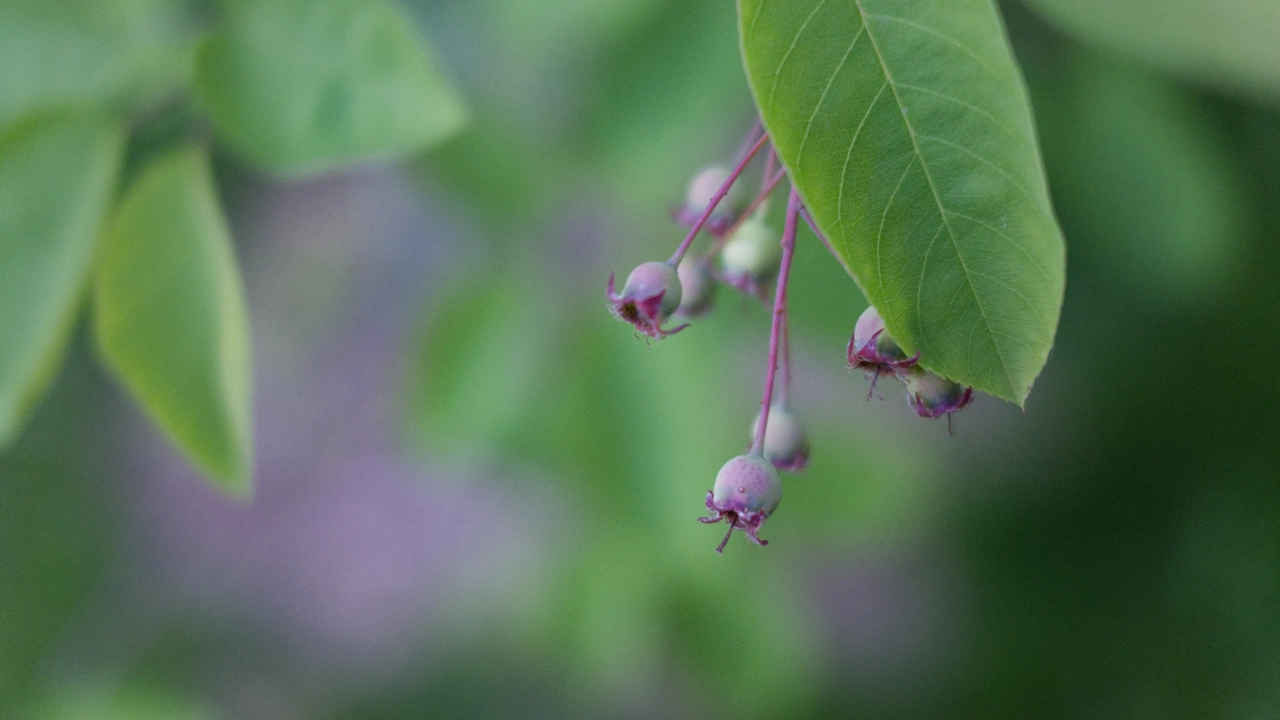
A reminder of an old friend.
Nearby, I’ve lifted a chokecherry, opening the space and giving the house a little more air. I think this may be the year the garden begins to take shape.
Underneath the serviceberry, I’ve planted common blue violets (Viola sororia), along with nodding onion (Allium cernuum), a small clump of tall thimbleweed (anemone virginiana), and drifts of prairie dropseed (sporobolus heterolepis) and purple love grass (eragrostis spectabilis).
The sun is warm against my face, and the fresh spring air is enough to make the hours disappear.
At the end of the day, I sit on the step and look at what has begun. I think about where the plants will go, the calming blues, purples, and white flowers, and the insects and birds that will soon find food and shelter here. Bit by bit, a new garden begins to emerge.